



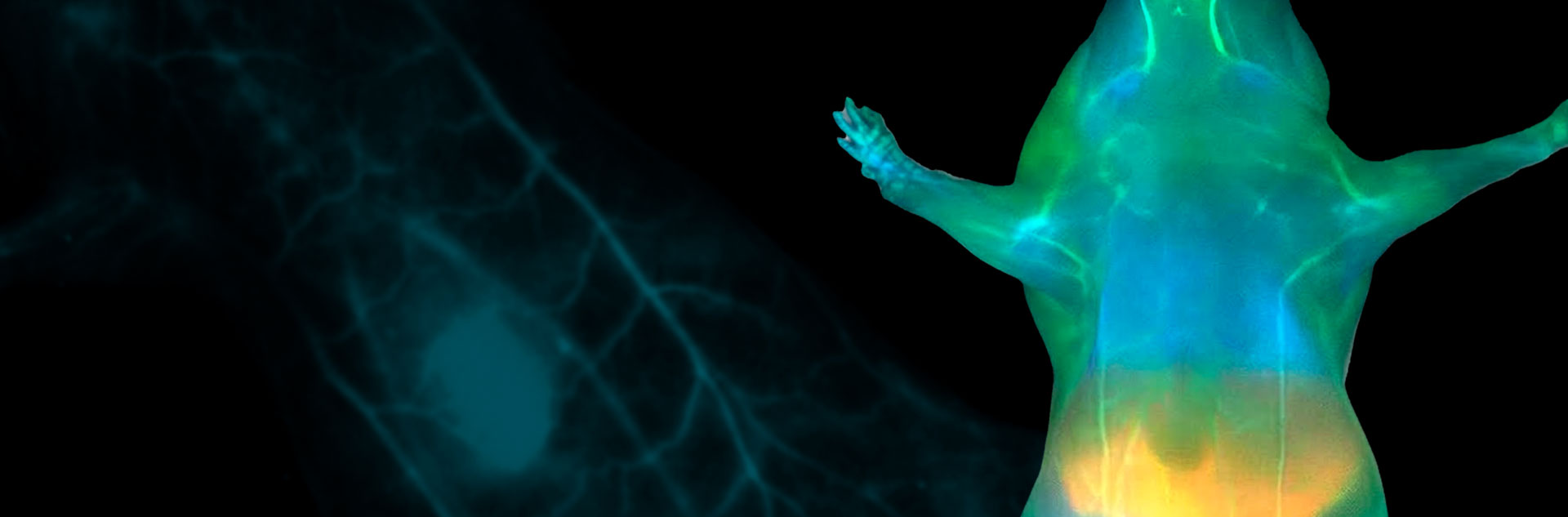
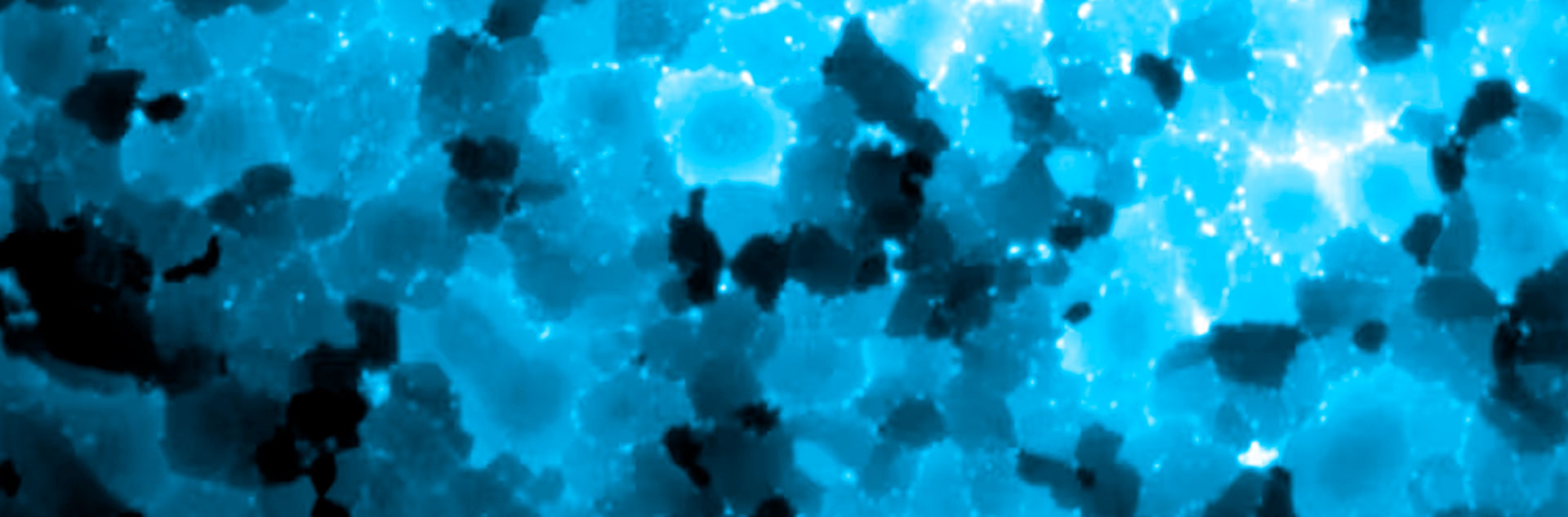

Autophagy is a cellular process with important functions that drive neurodegenerative diseases and cancers. Lysosomal hyperacidification is a hallmark of autophagy. Lysosomal pH is currently measured by fluorescent probes in cell culture, but existing methods do not allow for quantitative, transient or in vivo measurements. In the present study, we developed near-infrared optical nanosensors using organic color centers (covalent sp3 defects on carbon nanotubes) to measure autophagy-mediated endolysosomal hyperacidification in live cells and in vivo. The nanosensors localize to the lysosomes, where the emission band shifts in response to local pH, enabling spatial, dynamic and quantitative mapping of subtle changes in lysosomal pH. Using the sensor, we observed cellular and intratumoral hyperacidification on administration of mTORC1 and V-ATPase modulators, revealing that lysosomal acidification mirrors the dynamics of S6K dephosphorylation and LC3B lipidation while diverging from p62 degradation. This sensor enables the transient and in vivo monitoring of the autophagy–lysosomal pathway.
Scientific Papers
Nanosensor-based monitoring of autophagy-associated lysosomal acidification in vivo
Year
2023
Related products
Summary
Mijin Kim, Chen Chen, Zvi Yaari, Rune Frederiksen, Ewelina Randall, Jaina Wollowitz, Christian Cupo, Xiaojian Wu, Janki Shah, Daniel Worroll, Rachel E. Lagenbacher, Dana Goerzen, Yue-Ming Li, Heeseon An, YuHuang Wang, Daniel A. Heller
Related products
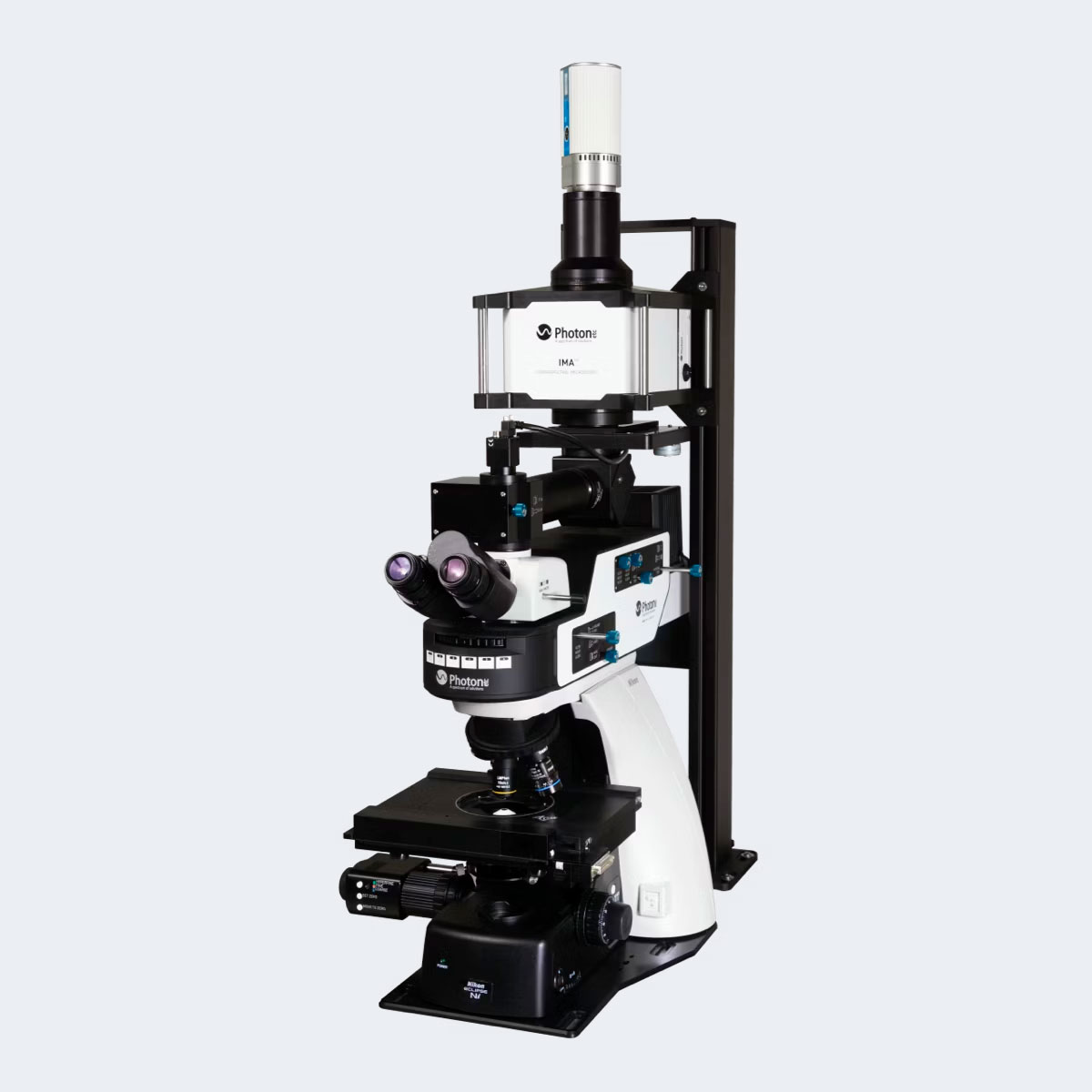
IMA™
IMA is a hyperspectral microscope delivering spectral and spatial information from 400 nm to 1620...