




Long-Range UAV Detection in the Extended SWIR Spectrum
Leveraging eSWIR Sensors for Optimal Signal-to-Noise Ratio and Sky Contrast
The study evaluates the detection performance of small Unmanned Aerial Vehicles (UAVs) across four reflected spectral bands, demonstrating that the eSWIR band (extended Short-Wave Infrared, from 2.0 to 2.5 µm) significantly outperforms the visible and standard SWIR bands (up to 1.7 µm). This superiority is due to increased atmospheric transmission and significantly lower sky background radiance, which maximizes the contrast between the drone and its environment. The signal-to-noise ratio (SNR) is optimized in the eSWIR, enabling more reliable long-range detection, even against complex backgrounds or challenging atmospheric conditions.
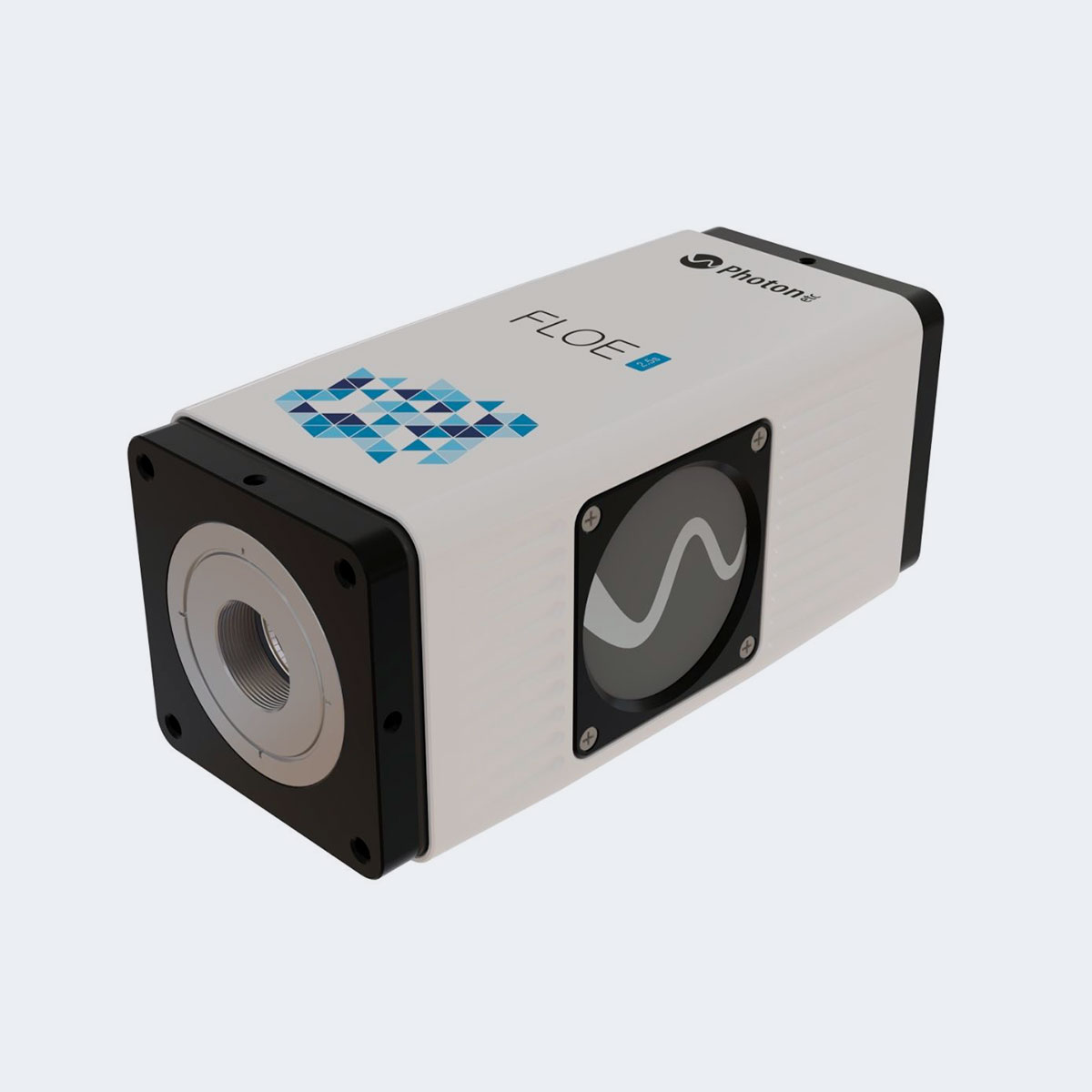
In this context, Photon Etc. plays a vital role by providing the cutting-edge instrumentation essential for these measurements. The company stands out with its ZephIR 2.5e camera and its T2SL sensor. This camera provides precise access to the 2.0–2.5 µm spectral window with sensitivity and cooling (down to -80 °C) that minimize dark current, making it possible to capture the faint drone signatures identified in the study.
Photon etc.’s expertise in hyperspectral imaging and high-performance infrared sensors positions the company as a Canadian pillar in these technological advancements.
Application domain
Related products
Ref : Drone detection performance in the reflective bands: visible, near infrared, short wave infrared, and extended short wave infrared
Authors : Joshua Follansbee, Lindsey Wiley, Patrick Leslie, Charles Revello, Ronald Driggers
For more information, contact info@photonetc.com