



Advanced SWIR Hyperspectral Imaging for In Vivo Neuroscience
Unlocking Endogenous Contrast and Biomarker Mapping in Deep Brain Tissue
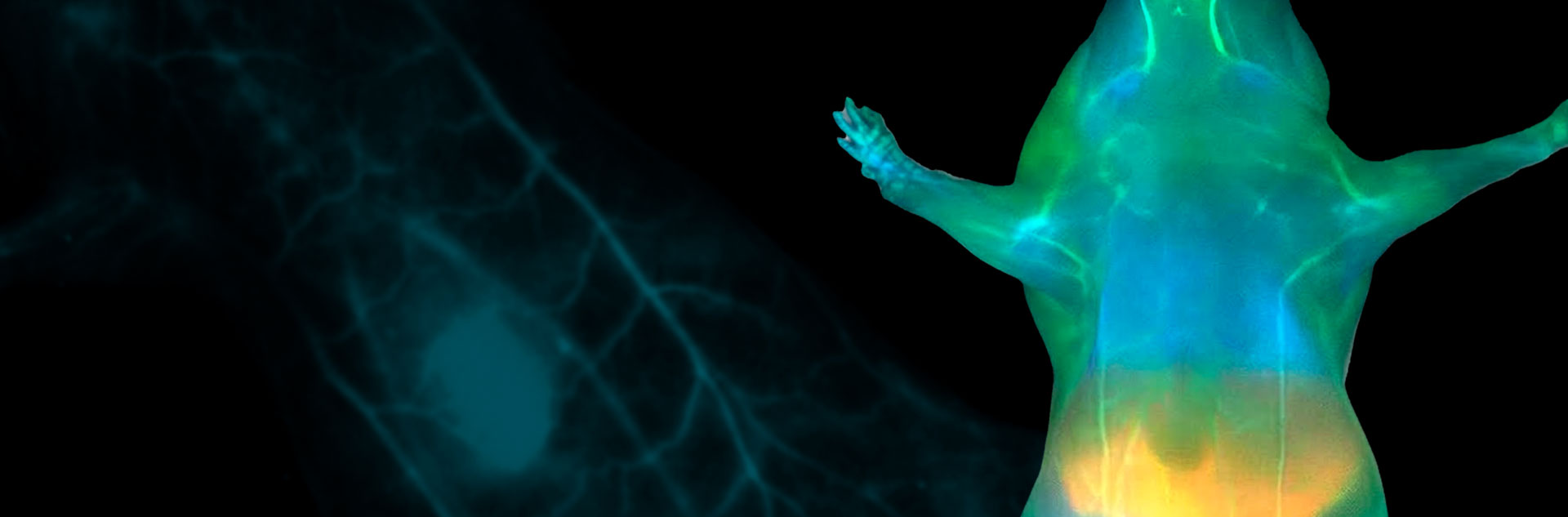
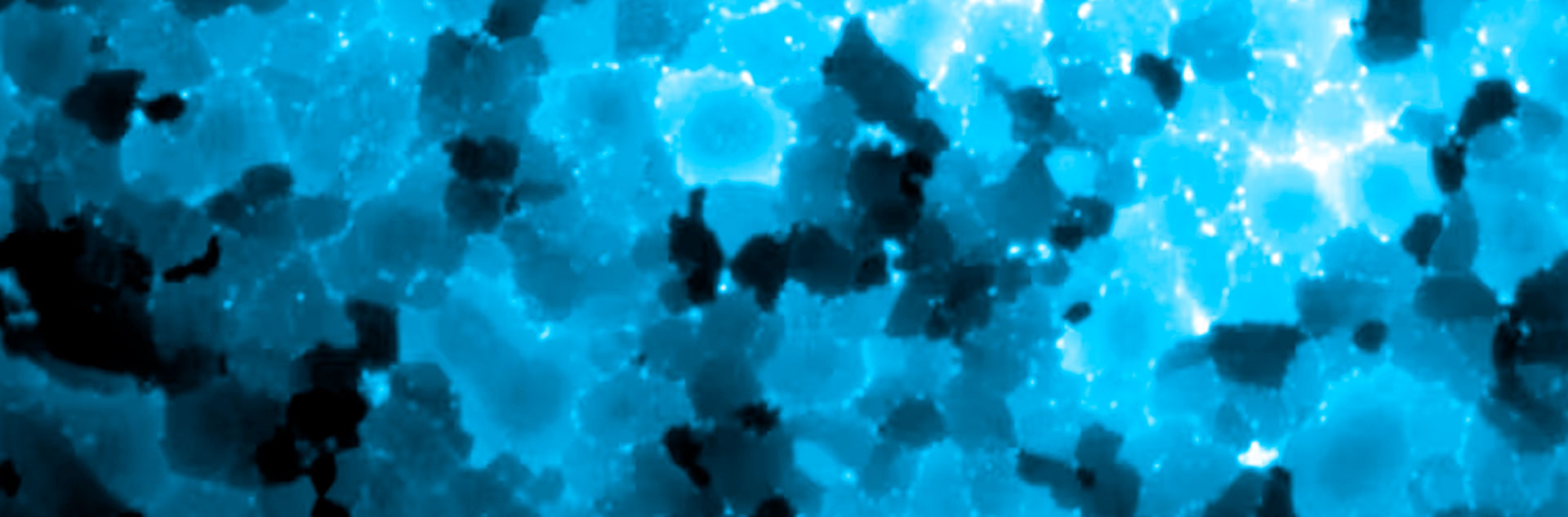
Standard optical neuroimaging often hits a wall due to intense photon scattering and overwhelming background noise from surrounding tissues. The IR VIVO™ hyperspectral imaging system bypasses these limitations by operating within the deep shortwave infrared window (SWIR/NIR-II, 900–1700 nm). By collecting sequential, narrow-band images across a continuous spectrum, this platform generates high-fidelity 3D data cubes that capture structural details at sub-millimeter resolutions deep beneath the skull. This allows researchers to isolate subtle optical signals from cerebral tissue without the interference typical of visible wavelengths.
Application domain
Related products

A major breakthrough of this infrared ecosystem lies in its ability to extract label-free anatomical and functional data directly from intrinsic tissue components. Every biological structure possesses a unique spectral profile dictated by its molecular makeup, particularly lipid-rich regions and specialized neural pigments. Through the system’s advanced analysis software, researchers can implement ratiometric imaging—dividing specific spectral intensities—to map regional heterogeneities like myelination density or pigment accumulation. This capability opens up new avenues for non-invasive monitoring of progressive neurodegenerative pathways and demyelinating conditions without relying on synthetic contrast agents.
When targeted contrast agents are necessary, the platform’s spectral profiling acts as a critical guide for probe selection and optimization. By establishing a comprehensive baseline of the brain’s native infrared signature, scientists can deliberately choose or design nanoprobes whose emission bands do not overlap with the background tissue signal. For instance, pairing the platform with deep-SWIR emitters (such as rare-earth nanoparticles emitting around 1500 nm) completely eliminates background interference, maximizing the signal-to-background ratio (SBR) for pristine, high-contrast transcranial navigation.
For more information, contact info@photonetc.com